The Project for the Reuse of Treated Wastewater and Sludge from the New Nicosia Wastewater Treatment Plant
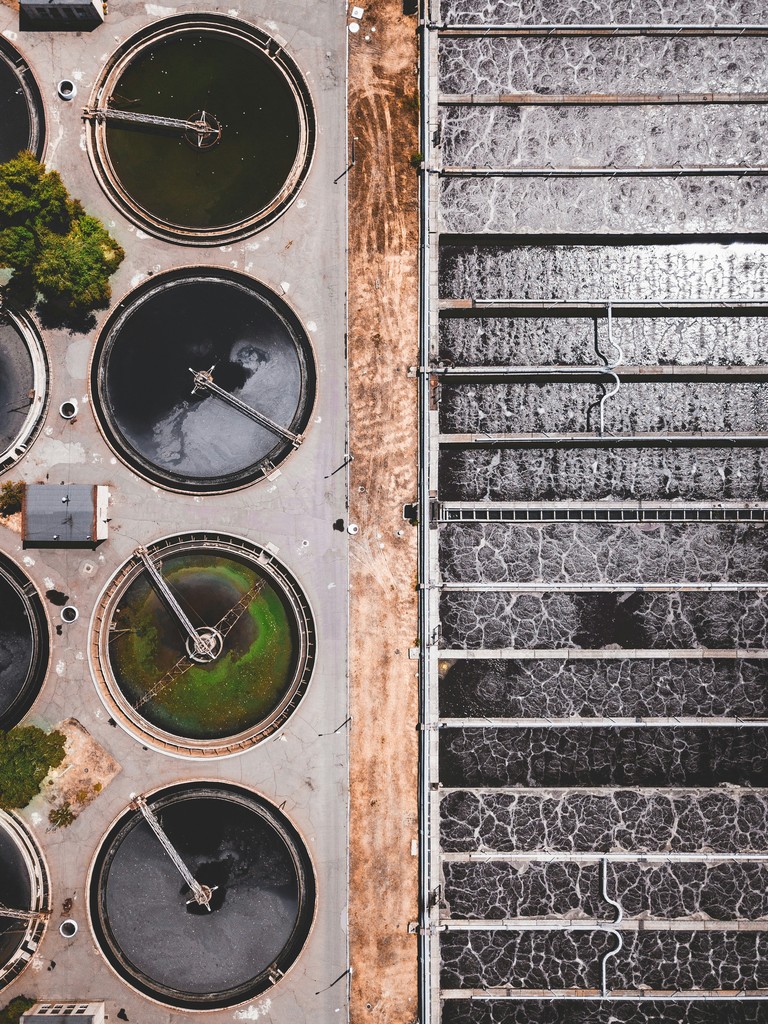
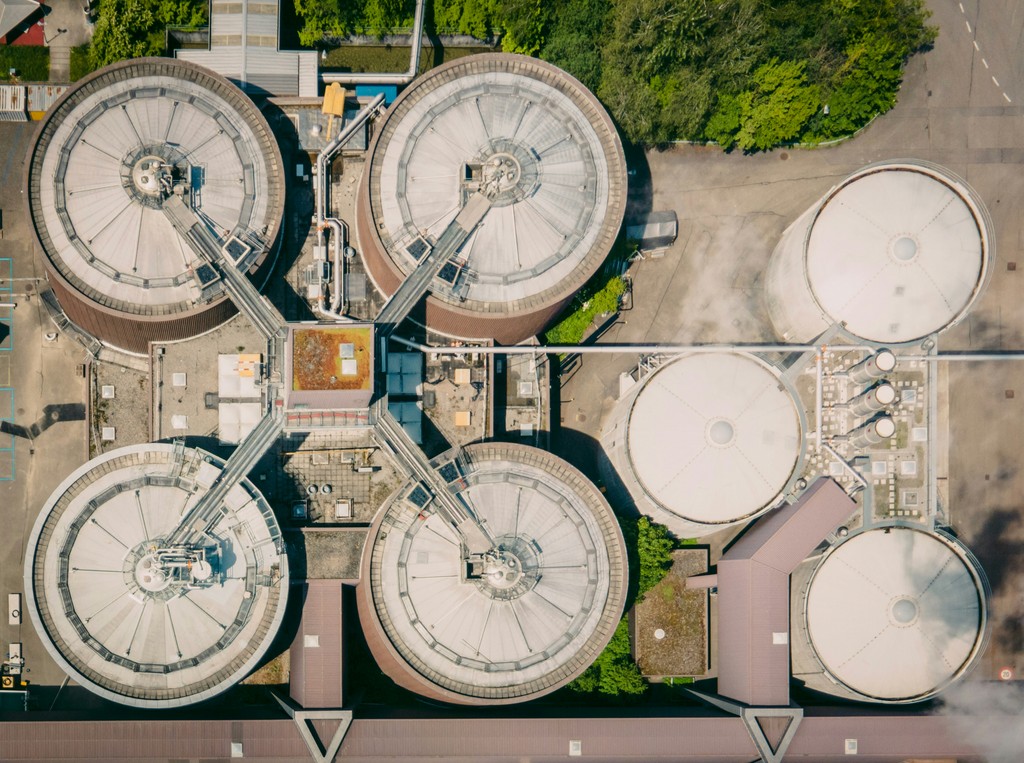
This is a project aimed at assessing the sustainable, safe, and public reuse of the treated wastewater and sludge generated from the New Nicosia Wastewater Treatment Plant. Within this scope, the existing treatment performance of the facility, effluent quality, and the amount of sludge produced have been analyzed; the potential for reuse of water in areas such as agricultural irrigation, green area irrigation, groundwater replenishment, or industrial use has been examined. Similarly, the use of treatment sludge for composting, soil improvement materials, or energy recovery has been evaluated in terms of technical, environmental, and economic aspects. The project includes determining the feasibility of reuse options, defining the required treatment levels and infrastructure requirements, conducting cost-benefit analyses, and developing the most suitable solution alternatives for public use.
Under this project, the following services have been provided by our staff:
Evaluation of the existing process structure, treatment efficiency, and effluent water quality of the New Nicosia Wastewater Treatment Plant,
Analysis of the physical, chemical, and microbiological properties of treated wastewater and comparison with necessary quality criteria for reuse,
Development of suitable reuse scenarios for public areas (agricultural irrigation, recreational areas, industrial use, etc.),
Identification of advanced treatment technologies and additional treatment requirements necessary for reuse,
Assessment of the quantity, composition, and stabilization level of the treatment sludge,
Examination of different usage alternatives of the sludge such as compost, soil conditioner, energy recovery (bioenergy) from a technical and economic perspective,
Identification of environmental risks and management measures related to water and sludge reuse,
Analysis of infrastructure requirements, transportation–storage arrangements, and implementation-related needs,
Calculation of investment and operational costs, conducting cost–benefit evaluations,
Reporting of results, development of recommendations, and presentation of the most applicable reuse model to the employer.